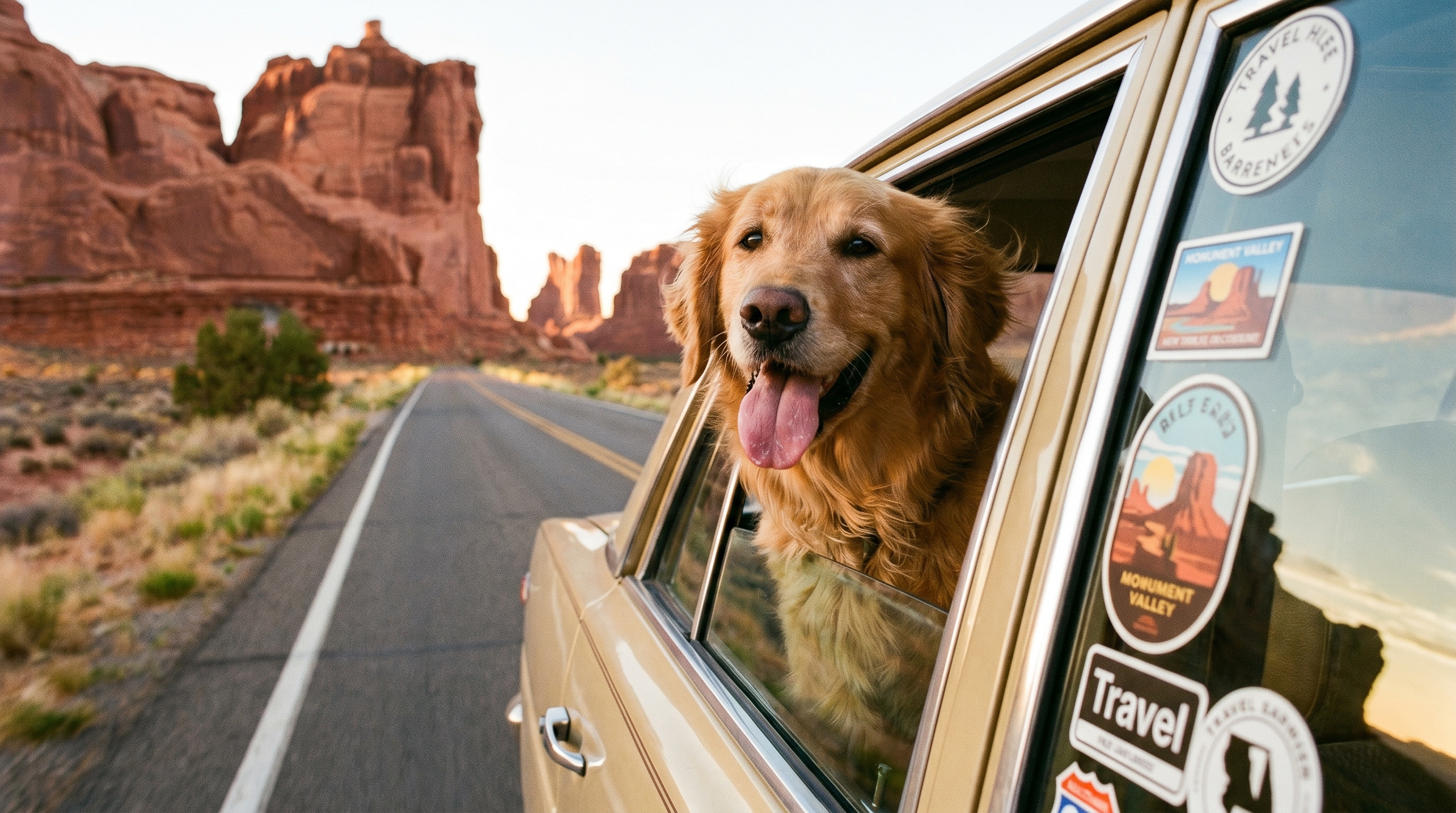
10 Best Dog Breeds for Solo Living: Your Guide to Apartment-Friendly Pups for Busy Professionals
PupGen
PupGen
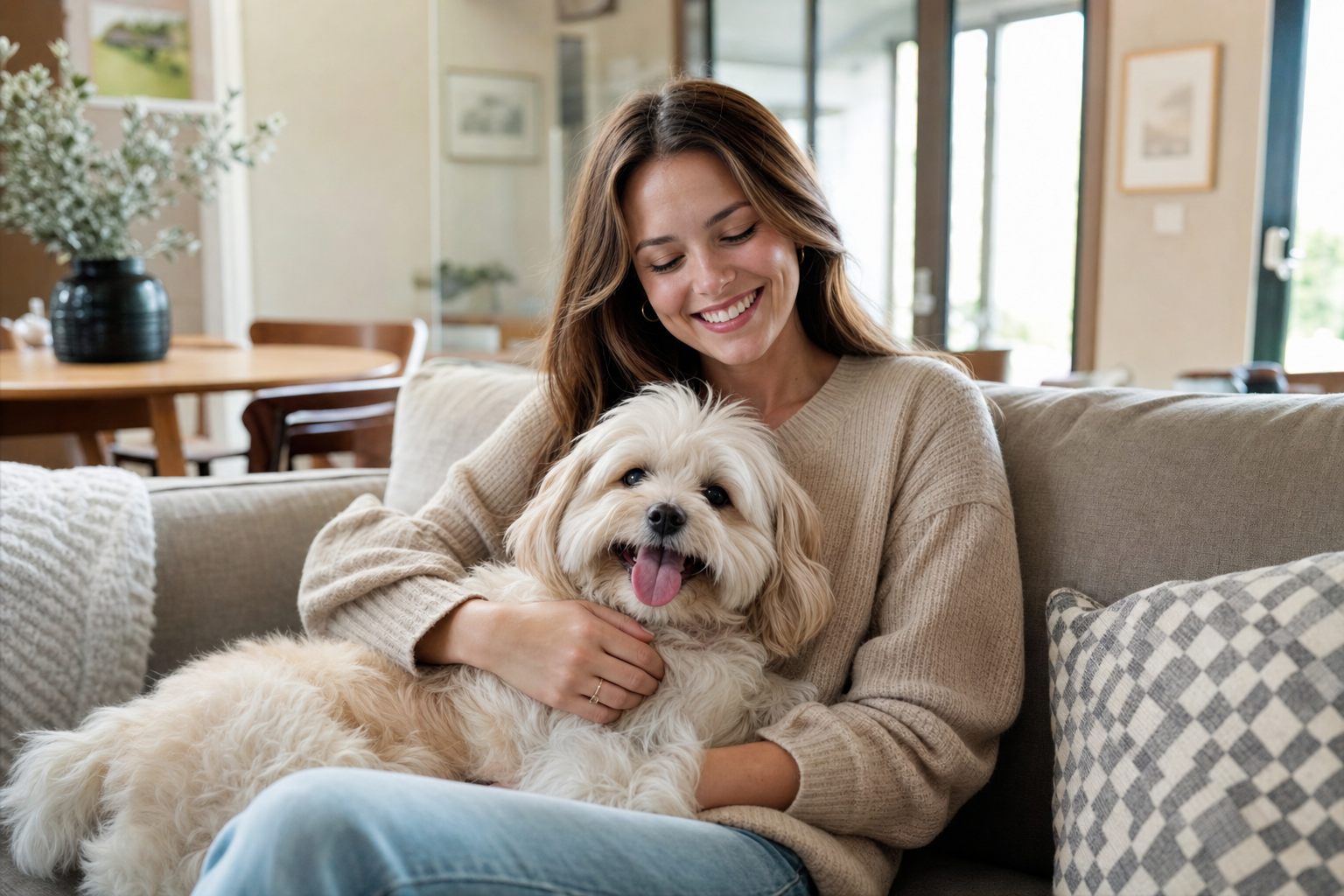
10 Best Dog Breeds for Solo Living: Your Guide to Apartment-Friendly Pups for Busy Professionals
One day on my way home, a thought crossed my mind: "I wish someone was waiting for me when I got back."
If you live alone, you might have felt that way too. Many people dream of sharing their life with a dog but feel unsure if their lifestyle can truly accommodate one. This guide aims to honestly address those concerns and help you explore realistic options for your situation.
Things to Consider Before Getting a Dog When Living Alone
It's true—you can own a dog while living alone. But it's not something to jump into without preparation. Let's first look at three key realities.
Time
Dogs require multiple walks a day, along with feeding and potty breaks. Puppies (from birth to about one year old) are especially demanding. Even during busy periods at work, can you realistically commit to daily care without fail?Cost
Food, vaccinations, routine vet check-ups, grooming, and potential emergency medical expenses—owning a dog typically incurs ongoing costs of $100 to $300 or more per month. Make sure your income is stable and that you can handle unexpected vet bills.Living Environment
Beyond ensuring your apartment or rental allows pets, it's crucial to consider if your dog's barking might disturb neighbors and if there are suitable areas nearby for walks and exercise, like dog parks. Apartment complexes often have restrictions, such as 'small dogs only' or weight limits.5 Key Points for Choosing a Dog When Living Alone
1. Exercise Needs
With limited time for walks when living alone, breeds with excessively high exercise requirements can be a burden. Generally, smaller dogs are more easily satisfied with shorter walks, but this can vary by breed.2. Tendency to Bark
In apartments or multi-unit housing, barking can become a significant issue. While some breeds tend to bark less, individual temperament also plays a big role. Proper training and creating a calm environment are essential.3. Body Size
Living spaces for single individuals are often not very large, so small to medium-sized dogs are generally more comfortable. Smaller dogs also tend to have lower food and medical expenses.4. Resilience to Separation Anxiety
You often hear about 'breeds that don't do well alone,' but separation anxiety is more influenced by an individual dog's temperament, upbringing, and how they're accustomed to being alone, rather than just their breed. It's crucial to gradually acclimate puppies to alone time.5. Medical Cost Tendencies
Brachycephalic breeds (like French Bulldogs and Pugs) are prone to respiratory issues, which can lead to higher medical costs. Consider these long-term expenses when making your choice.10 Recommended Dog Breeds
1. Toy Poodle
Weight: 4-9 lbs / Lifespan: 12-15 yearsHighly intelligent and known for being easy to train. Their low-shedding coat (they shed, but the hair gets caught in their curls) is a plus for keeping indoor spaces cleaner, which is great for solo living. Regular grooming is necessary.
2. Chihuahua
Weight: 3-6 lbs / Lifespan: 12-20 yearsA long-time favorite miniature breed in the US. They have low exercise needs, and many are content with short indoor play sessions. However, they can be wary of strangers, requiring good socialization. They dislike cold weather, so pay attention to temperature control in winter.
3. French Bulldog
Weight: 17-28 lbs / Lifespan: 10-12 yearsCharming for their gentle and laid-back personality. They aren't built for strenuous exercise; a balance of short walks and indoor play suits them best. As a brachycephalic breed, they are sensitive to heat and prone to respiratory issues, so be mindful of potentially higher medical costs.
4. Shih Tzu
Weight: 9-16 lbs / Lifespan: 12-16 yearsTheir calm and affectionate nature makes them a good match for solo living. They don't require intense exercise, making them relatively easy to manage on busy days. Regular brushing and professional grooming are key to their care.
5. Pug
Weight: 14-18 lbs / Lifespan: 12-15 yearsPopular for their humorous expressions and affectionate, clingy nature. They have low exercise needs and are well-suited for indoor living. Like French Bulldogs, they are brachycephalic, so managing their heat exposure in summer and regular respiratory health checks are crucial.
6. Miniature Dachshund
Weight: 7-11 lbs / Lifespan: 12-16 yearsCurious and active, they also love indoor play. Their long body makes them prone to intervertebral disc disease (IVDD), so caution is needed in environments with many stairs or jumps.
7. Pomeranian
Weight: 3-7 lbs / Lifespan: 12-16 yearsCharacterized by their fluffy coat and distinct personality. They are energetic and active, but due to their small size, short walks can often meet their exercise needs. They shed quite a bit during shedding season, requiring frequent brushing.
8. Maltese
Weight: 6-8 lbs / Lifespan: 12-15 yearsA gentle, loving, and affectionate breed that enjoys human companionship. Their exercise needs are relatively low, making them suitable for apartment living. Their white coat can show dirt easily, so regular grooming is necessary.
9. Cavalier King Charles Spaniel
Weight: 13-18 lbs / Lifespan: 9-15 yearsKnown for their gentle and sociable nature, often called 'lap dogs' due to their affectionate disposition. They have moderate exercise needs, with daily walks usually being sufficient. They have a higher incidence of heart conditions (specifically mitral valve disease), so regular cardiac health checks are important.
10. Miniature Schnauzer
Weight: 11-18 lbs / Lifespan: 12-15 yearsIntelligent and highly trainable, their low-shedding coat makes them suitable for indoor living. They enjoy moderate exercise and mental stimulation through play and training. Regular grooming is essential.
Precautions When Keeping a Dog While Living Alone
Managing Alone Time
If your dog will be alone for extended periods, it's vital to gradually accustom them to it. Start by slowly increasing the time they spend alone as a puppy, and create a secure 'personal space' where they feel safe. Utilizing pet cameras and automatic feeders can also be helpful. Consider hiring a professional pet sitter or dog walker for support while you're at work.Emergency Care
When living alone, you need a plan for who will care for your dog if you fall ill or have an unexpected business trip. Secure multiple options in advance, such as a trusted friend or family member, a reputable pet hotel, or a professional pet sitting service.Frequently Asked Questions
Is it 'cruel' to own a dog when living alone?
Many dogs thrive in environments where they spend extended periods alone, provided there's proper preparation and gradual acclimation. Whether it's 'cruel' depends less on your solo living status and more on the quality of the environment you create and the daily care you provide.
Are there guidelines for dog breeds suitable for apartments?
Apartment complex rules vary, often specifying 'small dogs only' or 'under 25 lbs.' Always check your building's pet policy first. Generally, small to medium-sized breeds with a lower tendency to bark are often chosen for apartment living.
For solo living, which is better: a Toy Poodle or a Chihuahua?
Both are popular choices. Toy Poodles are often favored for solo living due to their trainability and low shedding. Chihuahuas have lower exercise needs and are easier to manage, but highly alert individuals may require more focused training. Since individual temperaments vary, it's best to meet the actual dog at a breeder or rescue before deciding.
Is pet insurance necessary?
Dog medical expenses can be unpredictable, with sudden costs often being substantial. Especially if you're considering a brachycephalic breed or one with a higher risk of genetic conditions, enrolling in pet insurance from providers like ASPCA Pet Insurance, Nationwide, Trupanion, Embrace, or Lemonade is a worthwhile option to consider. Always thoroughly review the policy's coverage, exclusions, and deductibles.
Which is better for solo living: a puppy or an adult dog?
Puppies require intensive, frequent care. Raising a puppy while working full-time and living alone demands significant commitment. Adopting an adult or senior dog can be a less demanding option, as they often come with established routines and basic training.
Before Bringing Home Your Dog, Simulate Your Ideal Pet Life with AI
Ever wonder, "What would this breed actually look like in my home?" Why not try it out with PupGen?
Using photos of your favorite breeds, our AI generates scenes tailored to your life. Imagine a pup relaxing in your apartment, strolling in a nearby park, or greeting you in the morning—visualize your future furry friend before you make the big decision.