German Shepherd Complete Guide: Intelligence, Loyalty, and Responsibility
PupGen Media
PupGen
German Shepherd Complete Guide: Intelligence, Loyalty, and Responsibility
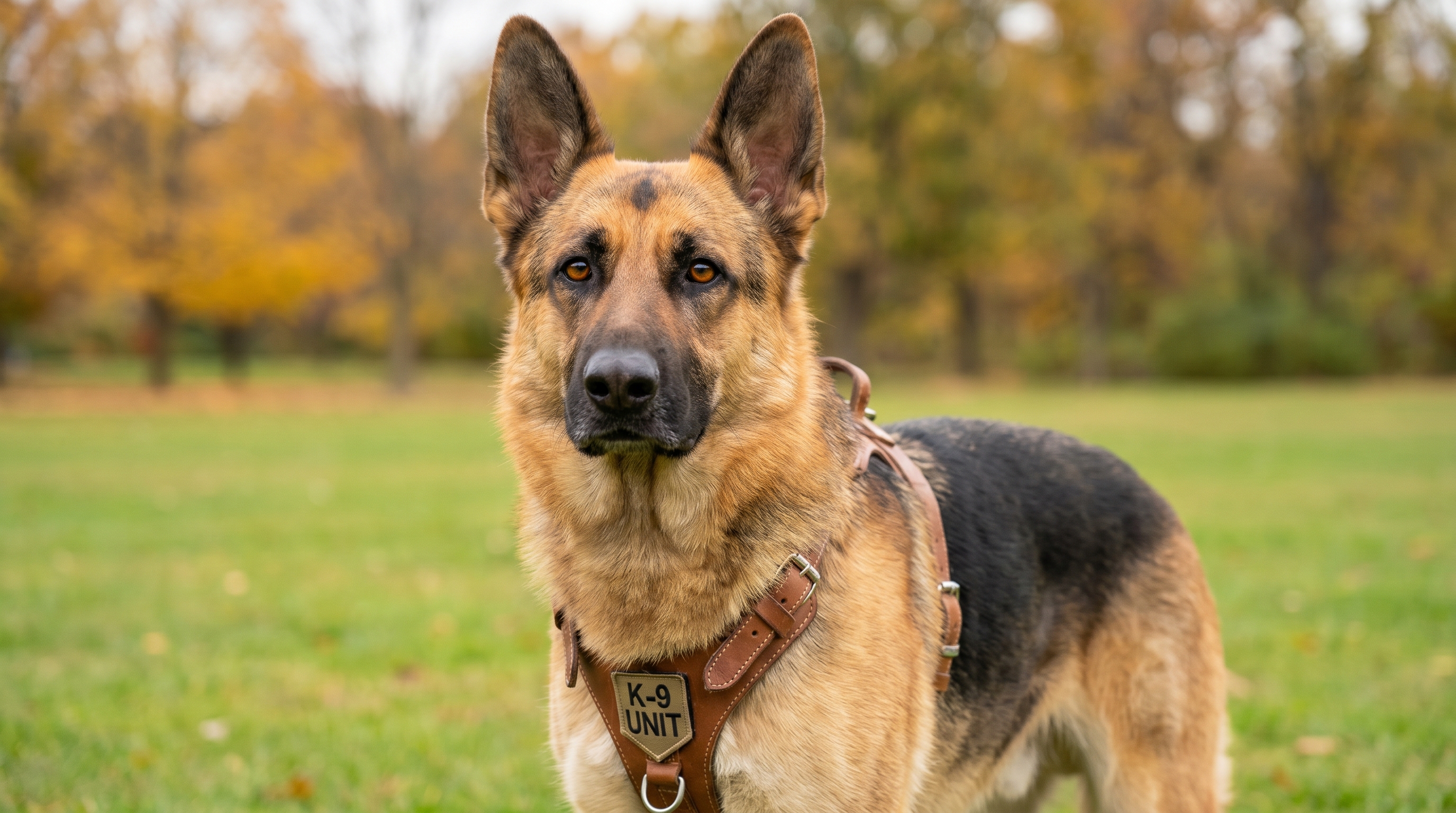
The German Shepherd is one of the most capable dogs ever developed. Police work, military service, search and rescue, guide dogs, therapy dogs — there are few roles this breed hasn't excelled at.
That capability cuts both ways. A well-raised, properly exercised German Shepherd is extraordinary. One that's bored, undertrained, or improperly socialized is a serious problem.
What German Shepherds Were Built For
Developed in late 19th-century Germany by Captain Max von Stephanitz, the German Shepherd was specifically designed to be the ideal working dog: intelligent enough to understand complex tasks, courageous enough to perform them under stress, and loyal enough to work closely with a handler.
Personality
- Highly intelligent — Ranks #3 in dog intelligence rankings. Learns new commands quickly and retains them
- Deeply loyal — Forms intense bonds, often to one primary person
- Protective — Natural guarding instinct; requires proper socialization to distinguish genuine threats from normal activity
- High energy — Needs substantial daily exercise and mental engagement
- Sensitive — Despite their powerful appearance, GSDs are emotionally attuned and don't respond well to harsh handling
Key Facts
| Feature | Details |
|---|---|
| Weight | Male: 65–90 lbs / Female: 50–70 lbs |
| Height | 22–26 inches |
| Lifespan | 7–10 years |
| Energy | High |
| Trainability | Excellent |
| Good for first-time owners | No — requires experience |
The Commitment This Breed Requires
German Shepherds are not a "low maintenance" choice. They need:
Physical: 2+ hours of vigorous exercise daily. Running, fetch, agility, swimming — not just walks.
Mental: Training sessions, puzzle toys, nose work, jobs. A bored GSD will find its own entertainment, which rarely aligns with your preferences.
Socialization: Extensive, ongoing exposure to different people, dogs, environments — especially during puppyhood. Under-socialized GSDs develop fear-based aggression.
Training: Professional obedience training is strongly recommended, not optional. This is a powerful dog with a strong will.
Health Considerations
- Hip and elbow dysplasia — The most significant genetic health concern; choose breeders who health-test their breeding pairs
- Degenerative myelopathy — A progressive neurological disease; genetic testing available
- Bloat (GDV) — Life-threatening emergency; know the signs
Monthly medical budgeting should be generous — $100–$200 just for insurance and routine care.
Frequently Asked Questions
Q: Are German Shepherds good family dogs?
A: Yes, with proper socialization and training. They're protective of children they know, but their size and energy require supervision with young kids.
Q: Do German Shepherds bark a lot?
A: They're alert barkers — they will notify you of anything unusual. With training, excessive barking can be managed.
Q: How much do German Shepherds shed?
A: A lot. They're nicknamed "German Shedders" for a reason. Daily brushing, a good vacuum, and accepting that dog hair is now a clothing accessory.
Q: Is a German Shepherd right for a first-time dog owner?
A: Generally no. Their intelligence, energy, and protective instincts require confident, experienced handling. A first-timer who does extensive research and works with a professional trainer can succeed — but it requires significant commitment.