Labrador Retriever Complete Guide: America's Favorite Dog, Honestly Reviewed
PupGen Editorial
PupGen
Labrador Retriever Complete Guide: America's Favorite Dog, Honestly Reviewed
You already know Labs are popular. What nobody tells you is why — and whether that popularity is actually deserved for your life.
The Honest Truth About Labs
The reputation says: Labs are friendly, easygoing, great with kids, easy to train, and perfect for almost anyone. The reality? That reputation is mostly earned — but with some serious asterisks attached.
Labs are not calm dogs. Not by a long shot. A young Lab has the enthusiasm of a golden retriever dialed up to eleven, and that energy doesn't settle until somewhere around age 3 to 4. Before that point, you're living with a dog who will counter-surf your dinner, drag you down the street on leash, and greet every human they've ever seen like a long-lost best friend — whether you want them to or not.
The trainability reputation is real, though. Labs are genuinely one of the most food-motivated, eager-to-please breeds out there. That's exactly why they dominate as service dogs, search-and-rescue dogs, and drug-detection dogs. They want to work with you. The flip side: if you don't give them a job, they'll invent one — usually involving your furniture or garbage.
The other honest thing nobody says upfront: Labs shed. A lot. Year-round. That short, dense double coat releases fur constantly, and heavy seasonal shedding happens twice a year on top of that. If dog hair on your clothes and couch is a dealbreaker, Labs are not your dog.
Quick-Reference Specs
| Trait | Detail |
|---|---|
| Weight (Male) | 65–80 lbs (29–36 kg) |
| Weight (Female) | 55–70 lbs (25–32 kg) |
| Height (Male) | 22.5–24.5 inches |
| Height (Female) | 21.5–23.5 inches |
| Lifespan | 10–12 years |
| Energy Level | High (2+ hours exercise/day for adults) |
| Trainability | Excellent — highly food motivated |
| Shedding | Heavy — year-round with seasonal spikes |
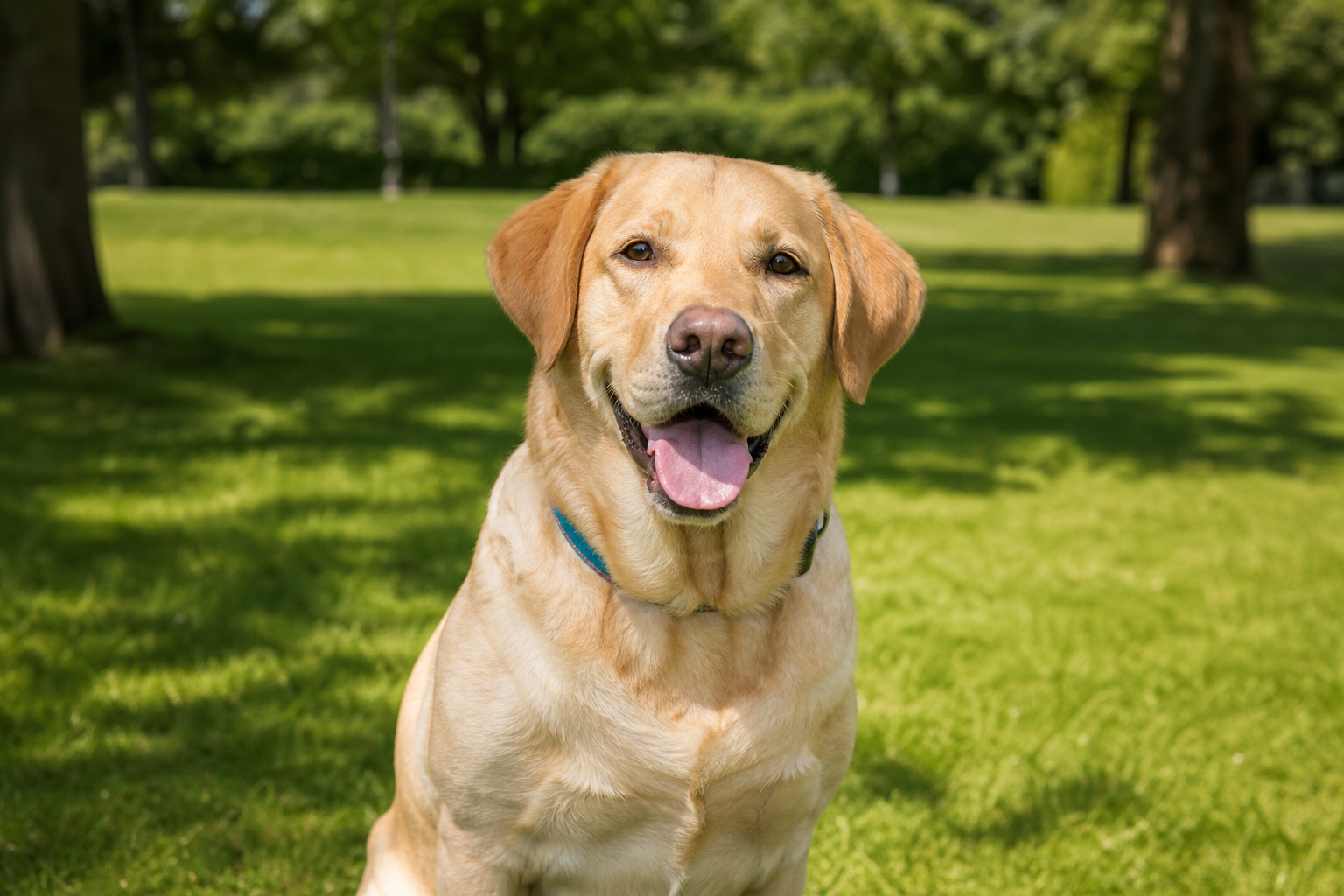
| Coat Colors | Black, yellow, chocolate |
| AKC Popularity | Consistently top 5 most registered breeds in the US |
Is a Lab Right for You?
Say yes if you:
- [ ] Can commit to 1–2 hours of exercise per day
- [ ] Have a yard or live near parks and open space
- [ ] Have or want an active lifestyle (hiking, running, swimming)
- [ ] Don't mind dog hair as a permanent accessory
- [ ] Want a dog that will bond intensely with your whole family
- [ ] Have time and patience to work through the puppy/adolescent phase (0–3 years)
- [ ] Are willing to manage food intake carefully to prevent obesity
Think twice if you:
- [ ] Live in a small apartment with no outdoor access nearby
- [ ] Work 10+ hours daily with no one home
- [ ] Have allergies or a strict no-hair-on-furniture policy
- [ ] Want a calm, low-energy companion from day one
- [ ] Are looking for a guard dog — Labs greet strangers like long-lost friends
Common Health Issues
Labs are generally a healthy, robust breed, but there are three health areas every Lab owner should understand before committing.
Hip and Elbow Dysplasia
Hip and elbow dysplasia are hereditary conditions where the joints develop abnormally, leading to arthritis and mobility problems over time. Labs are among the breeds with higher rates of these conditions. Reputable breeders screen parent dogs for both — always ask for OFA (Orthopedic Foundation for Animals) health clearances before purchasing a puppy. Symptoms typically become visible in middle age but can appear earlier in severe cases.
Obesity Tendency
This is the number one health issue for Labs, and it's entirely preventable. Labs have a genetic mutation (in the POMC gene, identified in research published by the University of Cambridge) that affects their ability to feel full — meaning they will eat as much as you give them, and then beg for more. Overweight Labs face shortened lifespans, earlier onset of joint problems, and higher risk of diabetes. Measured portions and limited treats are non-negotiable.
Progressive Retinal Atrophy (PRA)
PRA is a hereditary eye condition that causes gradual deterioration of the retina, eventually leading to blindness. It typically develops in middle age. There is no treatment, but genetic testing can identify carriers. Responsible breeders test for PRA — ask for documentation.
Monthly Cost Estimate
| Category | Monthly Estimate (USD) |
|---|---|
| Food (quality dry kibble for a 70 lb dog) | $60–$100 |
| Vet (routine, amortized) | $50–$80 |
| Grooming (brushing tools + occasional bath) | $15–$30 |
| Flea/tick/heartworm prevention | $20–$40 |
| Toys and supplies | $20–$40 |
| Total estimate | $165–$290/month |
Note: First-year costs are significantly higher (spay/neuter, vaccinations, gear, training classes). Emergency vet costs are not included — pet insurance is worth considering, especially for a breed prone to joint issues.
Frequently Asked Questions
Are Labrador Retrievers good for first-time dog owners?
Generally yes — but not without effort. Labs are forgiving, trainable, and eager to please, which makes mistakes easier to recover from than with more stubborn or independent breeds. The challenge is managing their size and energy during the first few years. First-time owners who commit to basic obedience training early tend to have a much smoother experience.
How much exercise does a Lab actually need?
Adult Labs need at least 60–90 minutes of genuine physical exercise per day — not just a backyard sniff around. Swimming, fetch, trail runs, and structured play all count. Dogs that don't get adequate exercise are far more likely to develop destructive behaviors indoors.
Do Labs do well with other dogs and cats?
Labs are generally social with other dogs and can coexist with cats, especially when introduced young. Their high energy and exuberant greeting style can overwhelm smaller animals or dogs with lower tolerance for rough play. Early socialization matters significantly.
Are yellow, black, and chocolate Labs different in temperament?
Coat color doesn't determine temperament — genetics, breeding lines, and early socialization do. The "temperament by color" belief is widespread but not supported by breed science. Individual breeder selection and socialization practices have far more influence on your specific dog's personality.
See Your Lab in a New Light
Whether you're picturing your Lab bounding through autumn leaves, napping by a fireplace, or splashing through a lake — PupGen lets you generate AI scenes of your dog in any setting you can imagine.
Upload a photo of your Lab (or any dog), choose a scene, and see them transformed into art. Perfect for gifts, social media, or just for the joy of it.