
Dog Dental Care: The Guide Most Owners Skip (And Shouldn't)
PupGen Media
PupGen
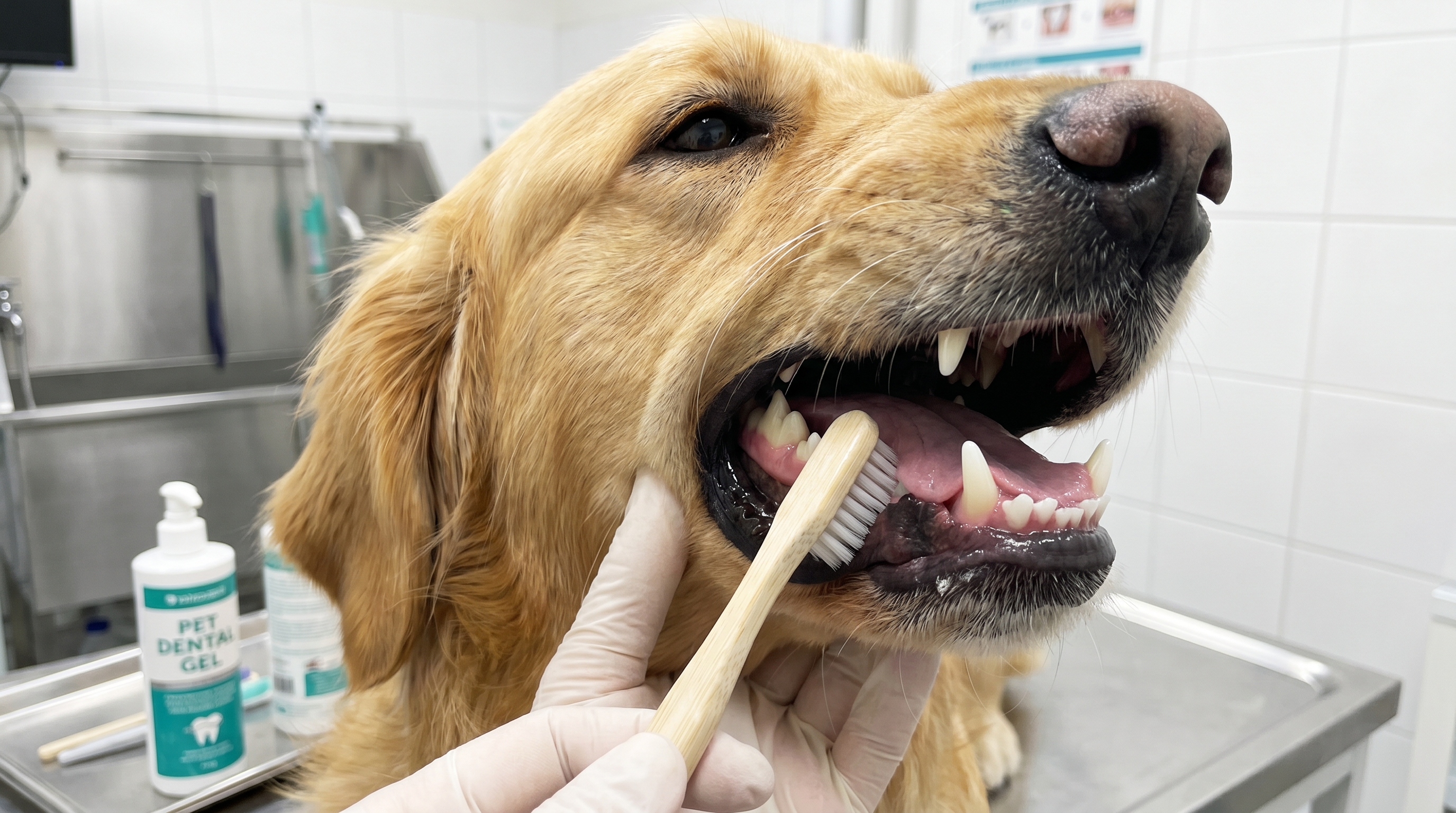
Dog Dental Care: The Guide Most Owners Skip (And Shouldn't)
Here's a number: 80% of dogs show signs of dental disease by age 3.
And yet dog dental care remains one of the most neglected aspects of pet ownership. Partly because dogs don't visibly suffer in the way humans do with toothaches. Partly because it requires daily effort. And partly because nobody really teaches it.
This guide is the one most owners skip. Don't skip it.
Why Dental Health Matters More Than You Think
Dental disease isn't just bad breath and yellow teeth. Advanced periodontal disease allows bacteria to enter the bloodstream through inflamed gum tissue. From there, it can affect the heart, kidneys, and liver — organs whose disease shortens life expectancy significantly.
Dental care is health care.
Signs of Dental Problems
- Bad breath (some is normal; truly foul breath is a warning sign)
- Yellow or brown buildup on teeth, especially along the gum line
- Red, swollen, or bleeding gums
- Reluctance to eat hard food or chew on one side
- Pawing at the mouth
- Loose or missing teeth
If you see any of these, schedule a vet visit before starting a home care routine.
The Gold Standard: Daily Brushing
Daily toothbrushing is the single most effective thing you can do for your dog's dental health. Most dogs can be trained to accept it, especially if started young.
What you need:
- A dog-specific toothbrush (finger brushes work well for small breeds)
- Dog toothpaste — never human toothpaste (xylitol is toxic to dogs)
How to introduce it:
1. Let them lick the toothpaste from your finger for a week
2. Add the toothbrush, letting them lick — no brushing yet
3. Begin brief brushing of front teeth
4. Gradually work back over 2–3 weeks
Focus on the outer surfaces — where plaque accumulates most. Aim for 30–60 seconds per session.
If Daily Brushing Isn't Happening
Realistic alternatives (in order of effectiveness):
1. Dental chews (VOHC-approved products) — Help mechanically remove plaque; not as effective as brushing but better than nothing
2. Water additives — Added to the water bowl; some research supports modest effectiveness
3. Dental wipes — Easier than brushing for some dogs; less effective but a useful starting point
4. Raw bones — Controversial; some evidence for plaque removal, but fracture risk exists
The honest truth: None of these replace brushing. But something is better than nothing.
Professional Dental Cleanings
Annual professional cleanings under anesthesia are recommended for most adult dogs. This is where tartar below the gum line — invisible at home — gets removed.
Yes, anesthesia carries small risks. The risks of untreated dental disease over years are significantly larger.
Cost: $300–$800 depending on location and whether extractions are needed.
Frequently Asked Questions
Q: My dog's breath is bad but they eat fine. Should I be worried?
A: Bad breath is the first sign of dental disease in most dogs. "Eating fine" doesn't mean no problem — dogs are stoic about pain. Schedule a dental check.
Q: What age should I start brushing my dog's teeth?
A: As early as possible — ideally during puppyhood when they're most adaptable. Adult dogs can learn too, just with more patience required.
Q: How often do dogs need professional dental cleanings?
A: Generally once a year, though some breeds (small dogs, brachycephalic breeds) are prone to faster tartar buildup and may need it more frequently.
Q: Are dental treats actually effective?
A: Products with the VOHC (Veterinary Oral Health Council) seal have research backing. Generic "dental treats" without that certification have variable or no proven effectiveness.