Senior Dog Care: How to Give Your Aging Dog the Best Years
PupGen Media
PupGen
Senior Dog Care: How to Give Your Aging Dog the Best Years
There's something quietly beautiful about a senior dog.
The wildness has settled. The chaos of puppyhood is a distant memory. In its place is a dog that knows you, anticipates you, and chooses to spend their time as close to you as possible. Senior dogs are often the most rewarding dogs to live with — if you know how to care for them well.
When Does "Senior" Begin?
- Small breeds (under 20 lbs): around 10–11 years
- Medium breeds: around 8–9 years
- Large breeds: around 7 years
- Giant breeds: as early as 5–6 years
These are starting points. A healthy, active 11-year-old small dog is very different from a sedentary one with untreated joint issues.
The Physical Changes to Expect
What you'll see:
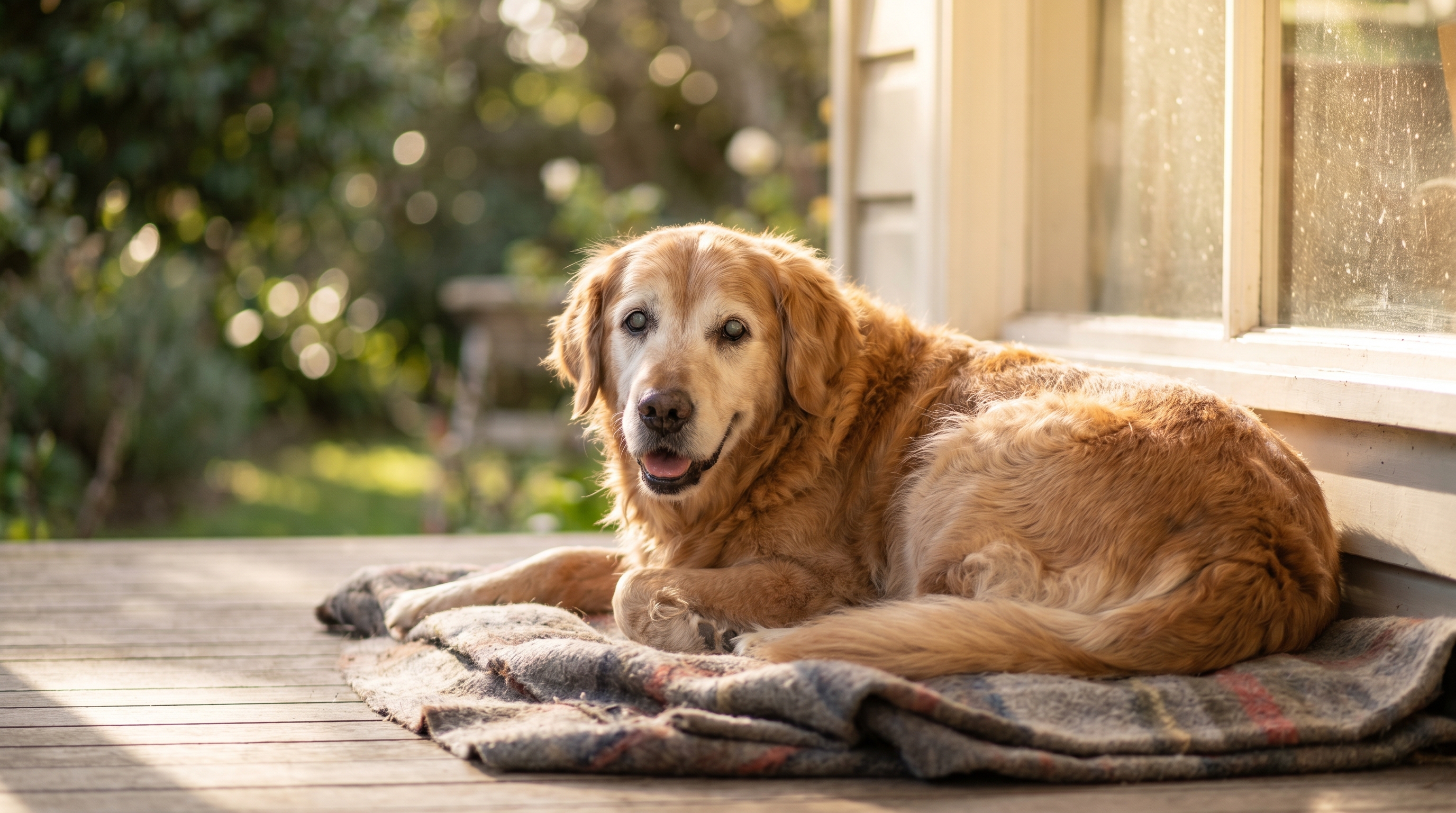
- Greying muzzle and face
- Slower movement, especially in the morning
- Increased sleep
- Changes in appetite
What to watch for:
- Increased thirst or urination (kidney disease, diabetes)
- Sudden weight loss or gain
- Difficulty standing or walking (arthritis, neurological issues)
- Confusion, night wandering, or forgetting commands (canine cognitive dysfunction)
Any sudden change warrants a vet visit. Senior dogs should see the vet every 6 months, not once a year.
Adapting Their Environment
Joint support:
- Non-slip mats on hard floors throughout the house
- Ramps or steps to reach furniture they're used to sleeping on
- Orthopedic dog bed — this matters more than it sounds
Comfort:
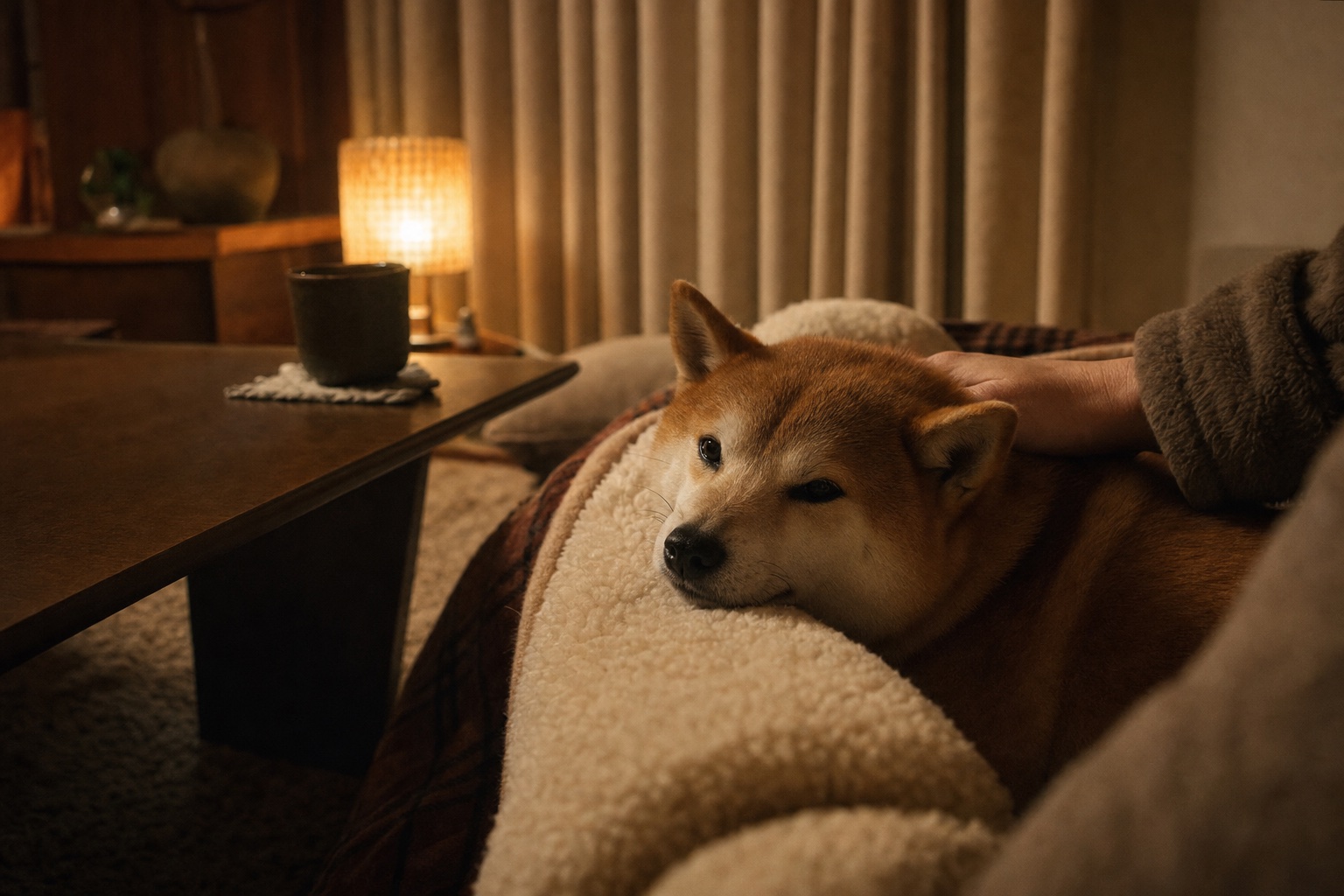
- Warmth — senior dogs feel cold more easily
- Easier access to water and food (raised bowls if needed)
- Quieter environment — aging dogs often have reduced noise tolerance
Adjusting Exercise
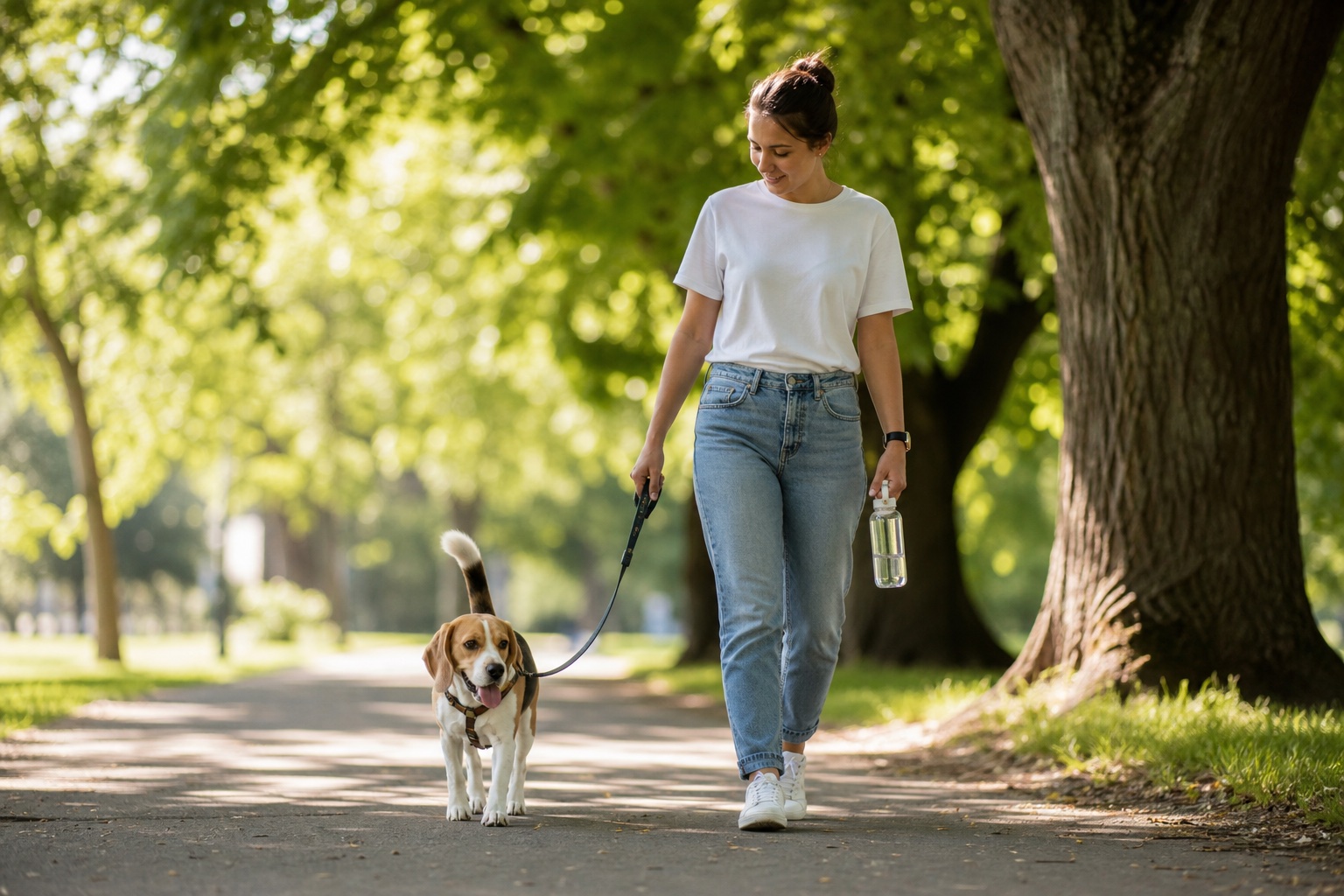
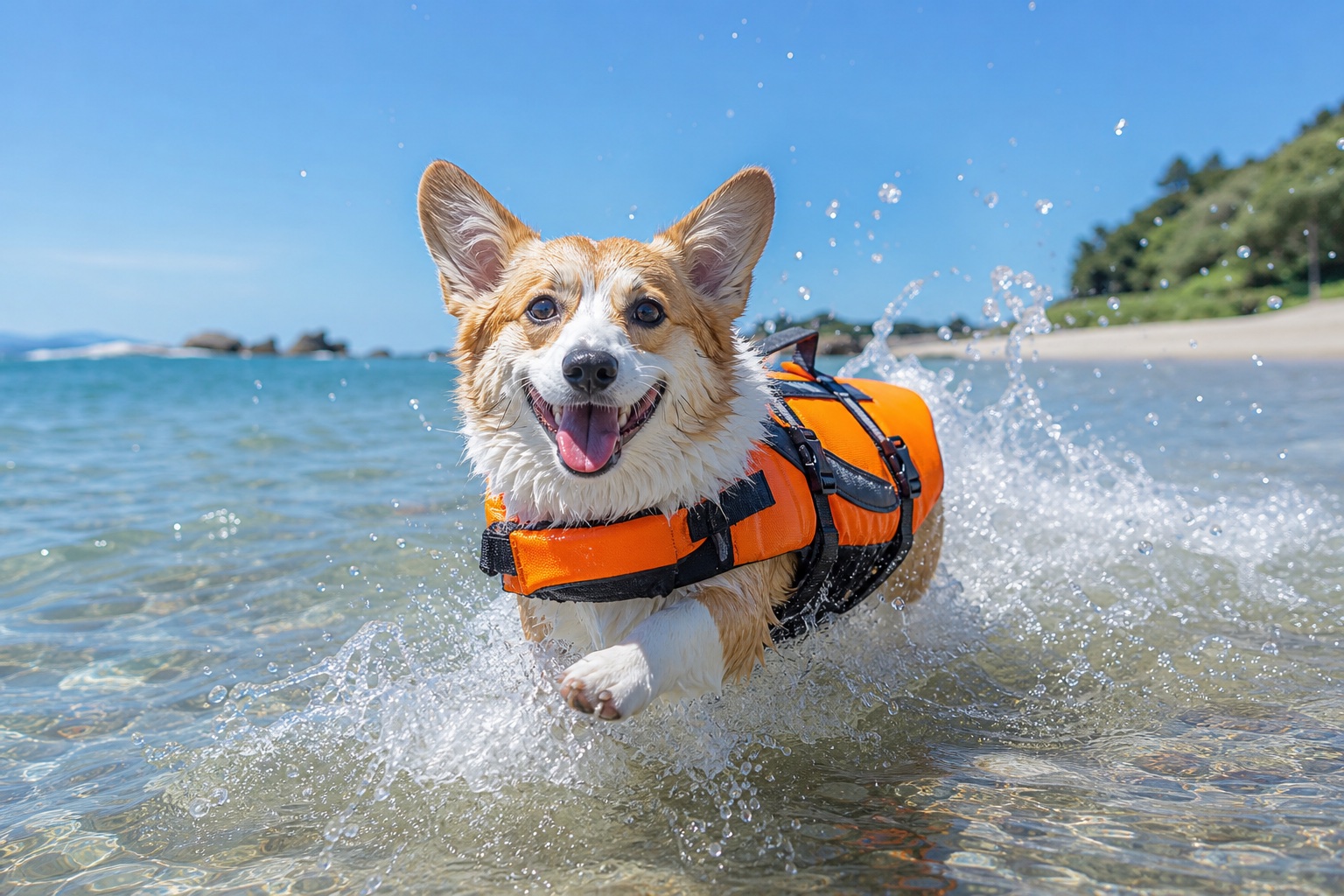
Senior dogs still need exercise — less intense, but consistent. Short, frequent walks are better than one long one. Swimming is excellent for arthritic dogs. Watch their cues: if they want to stop, stop.
Don't eliminate exercise because they seem slow. Gentle movement maintains muscle mass, joint function, and mood.
The Emotional Reality
Senior dog ownership means living with the awareness that time is finite. That awareness, paradoxically, tends to make every ordinary day more meaningful.
The afternoon nap together. The slow evening walk. The way they still run (well, trot enthusiastically) to the door when you come home, even at 13.
Preserving This Time
Now is the time to photograph them well, while you still can. Not just snapshots — portraits. Use PupGen to create art-quality images of your senior dog that will live on a wall for years after they're gone. Not out of morbidity, but out of love.
The grey muzzle is beautiful. Capture it.