Dog Separation Anxiety: What It Really Is and How to Help
PupGen Media
PupGen
Dog Separation Anxiety: What It Really Is and How to Help
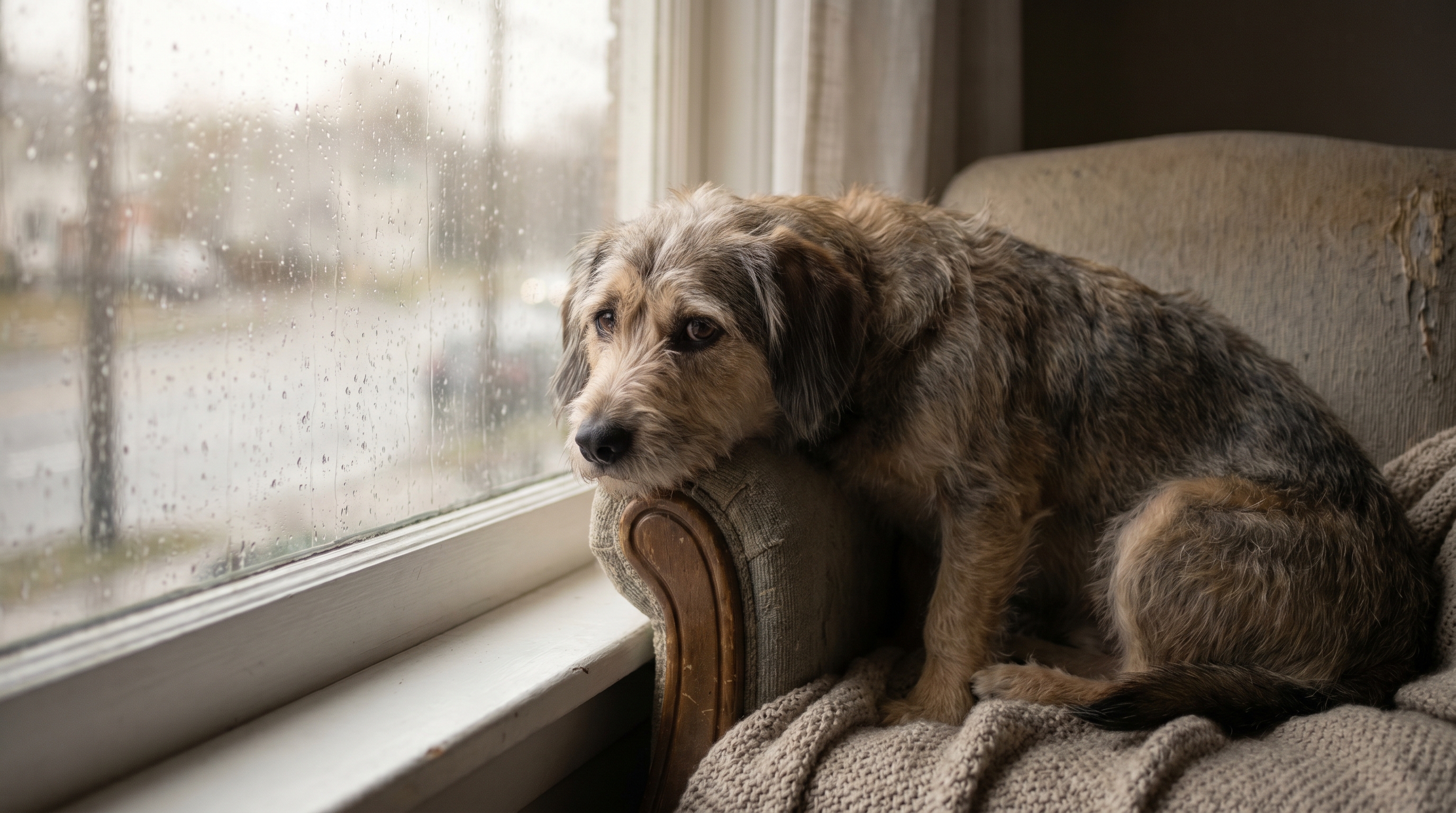
Your dog isn't destroying the house because they're bad. They're destroying the house because they're panicking.
Separation anxiety is a genuine psychological condition — not misbehavior, not spite, not poor training. Understanding that distinction changes everything about how you approach it.
What Separation Anxiety Looks Like
During your absence (common reports from cameras or neighbors):
- Continuous barking or howling that starts minutes after you leave
- Destructive behavior concentrated on exit points (doors, windows)
- Accidents in a house-trained dog
- Pacing, drooling, panting
When you're present:
- Extreme, prolonged excitement at your return (can't settle for 20+ minutes)
- Velcro behavior — follows you room to room, can't relax when you're out of sight
- Visible distress when you pick up keys, bag, or coat
Why It Happens
Separation anxiety is more common in dogs that:
- Have been rehomed or experienced abandonment
- Were acquired during COVID-19 when owners were home 24/7, then experienced sudden change
- Are highly bonded to one person in a household
- Have had inconsistent early socialization
What Doesn't Work
Before covering what works, a few common mistakes:
Punishment: A dog in panic cannot learn from punishment. It adds fear to an already fearful situation.
Getting a second dog: Sometimes helps, sometimes results in two anxious dogs. Don't rely on this as the primary solution.
Ignoring it: Separation anxiety doesn't resolve on its own. It typically gets worse.
What Actually Works
1. Graduated Departure Training
Start with absences of 30 seconds. Return before they spiral. Build slowly: 1 minute, 5 minutes, 20 minutes, 1 hour. Each successful calm departure and return is a brick in the foundation.2. Desensitize Departure Cues
If your dog starts anxious when you pick up your keys, pick up your keys 20 times a day without leaving. The goal: departure cues lose their predictive power.3. Create a Safe Space, Not a Prison
A crate introduced gradually and positively can become a genuine safe haven. Leave food puzzles inside. Feed meals inside. Let them choose to go in. Never use it as punishment.4. The Pre-Departure Routine
Leave a stuffed Kong or puzzle feeder before you go. Your departure becomes associated with good things, not dread.5. Professional Help
For severe cases, a certified veterinary behaviorist can prescribe short-term anti-anxiety medication alongside behavioral training. This combination has the strongest evidence base. There's no shame in it — it's the equivalent of therapy plus medication for a human anxiety disorder.Frequently Asked Questions
Q: How long does it take to treat separation anxiety?
A: Mild cases can show improvement in weeks. Severe cases can take months of consistent work. The timeline depends on severity, consistency, and whether medication is involved.
Q: Will my dog grow out of it?
A: Unlikely without intervention. Separation anxiety typically intensifies with age if untreated.
Q: Should I crate my dog while I'm gone?
A: Only if the crate is a positive, safe place. A dog in panic can injure themselves trying to escape a crate. Evaluate this carefully for each individual dog.
Q: Is it okay to have a dog camera and talk to them through it?
A: For some dogs, hearing your voice helps. For others, hearing you but not seeing you increases frustration. Watch your dog's reaction carefully — the camera can work both ways.