
Dog Nutrition 101: What to Actually Feed Your Dog
PupGen Media
PupGen
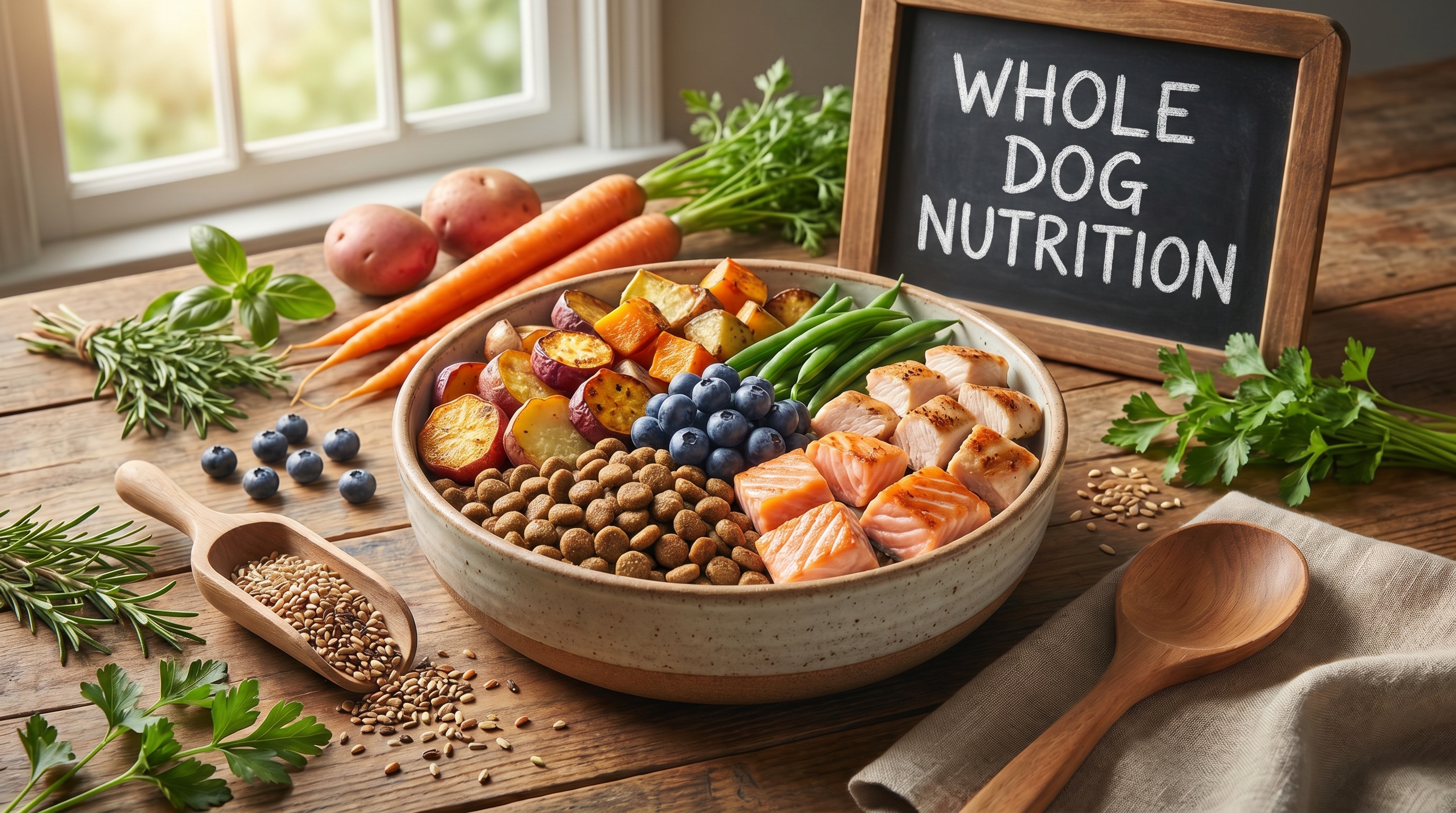
Dog Nutrition 101: What to Actually Feed Your Dog
Walk into any pet store and you're confronted by hundreds of dog food options making competing claims: grain-free, raw, ancestral diet, breed-specific, life-stage-specific. It's overwhelming.
Here's the truth: most commercially available complete dog foods are fine. The noise is mostly marketing.
Here's the more nuanced truth: what you feed your dog does matter, and understanding the basics helps you make better decisions.
The Fundamentals
Dogs are omnivores — not carnivores, despite what some marketing suggests. They thrive on a balanced diet that includes protein, carbohydrates, fats, vitamins, and minerals.
What "complete and balanced" means: In the US, AAFCO (Association of American Feed Control Officials); in Europe, FEDIAF — these organizations set nutritional standards. A food labeled "complete and balanced" meets minimum requirements for the stated life stage.
This label is a meaningful baseline. Start there.
Dry Food (Kibble)
The most common choice for good reason: convenient, shelf-stable, cost-effective, and generally nutritionally complete.
What to look for:
- A named protein source as the first ingredient (chicken, beef, salmon — not "meat meal" as the primary ingredient)
- AAFCO complete and balanced statement
- Appropriate for your dog's life stage (puppy, adult, senior)
What to ignore:
- "Grain-free" claims (no proven benefit for most dogs; POTENTIAL cardiac concerns with legume-heavy formulas under FDA investigation (concluded in 2022 without confirmed causation))
- Vague marketing language ("natural," "premium," "ancestral")
Wet Food
Higher moisture content, often more palatable — useful for picky eaters or dogs who don't drink enough water. More expensive per calorie than kibble. Can be used as a topper or primary food.
Raw Diets
Proponents cite improved coat, energy, and digestion. Critics cite bacterial contamination risks (Salmonella, E. coli), nutritional imbalances in home-prepared versions, and lack of peer-reviewed research.
If you're interested in raw feeding: consult a board-certified veterinary nutritionist first. Commercially prepared raw foods with AAFCO compliance are safer than home-prepared.
Foods That Are Toxic to Dogs
These are not negotiable — keep them away entirely:
- Chocolate — Theobromine toxicity; dark chocolate is most dangerous
- Grapes and raisins — Can cause kidney failure; mechanism not fully understood
- Xylitol (artificial sweetener in gum, some peanut butters, baked goods) — Causes dangerous blood sugar drop
- Onions and garlic — Damage red blood cells
- Macadamia nuts — Neurological effects
- Alcohol — Obvious but worth stating
Portion Sizes and Weight Management
Obesity is the most common preventable health problem in domestic dogs. An estimated 59% of US dogs are overweight or obese (APOP, 2022).
Use the feeding guidelines on your food packaging as a starting point — then adjust based on your dog's body condition score, not just weight. You should be able to feel (but not prominently see) your dog's ribs.
Treats count toward daily calories. Factor them in.
Frequently Asked Questions
Q: Should I feed my dog once or twice a day?
A: Twice daily is generally recommended for adult dogs — it helps regulate blood sugar, reduces begging behavior, and lowers bloat risk in large breeds.
Q: Is grain-free food better for dogs?
A: Not for most dogs. Grain-free does not mean low-carb or more natural. The FDA has been investigating a potential link between grain-free (legume-heavy) diets and dilated cardiomyopathy in dogs. Consult your vet before switching.
Q: How do I know if my dog is a healthy weight?
A: The rib test: you should easily feel ribs with light pressure but not see them prominently. A visible waist when viewed from above is also a good sign. When in doubt, ask your vet to assess their body condition score.
Q: Can dogs eat human food?
A: Some human foods are fine in moderation (plain cooked chicken, carrots, blueberries, plain rice). Others are toxic (see list above). Avoid anything seasoned, processed, or containing the toxic ingredients listed.