The Ultimate Dog Walking Guide: Frequency, Distance, and Seasonal Best Practices
PupGen
PupGen
The Ultimate Dog Walking Guide: Frequency, Distance, and Seasonal Best Practices
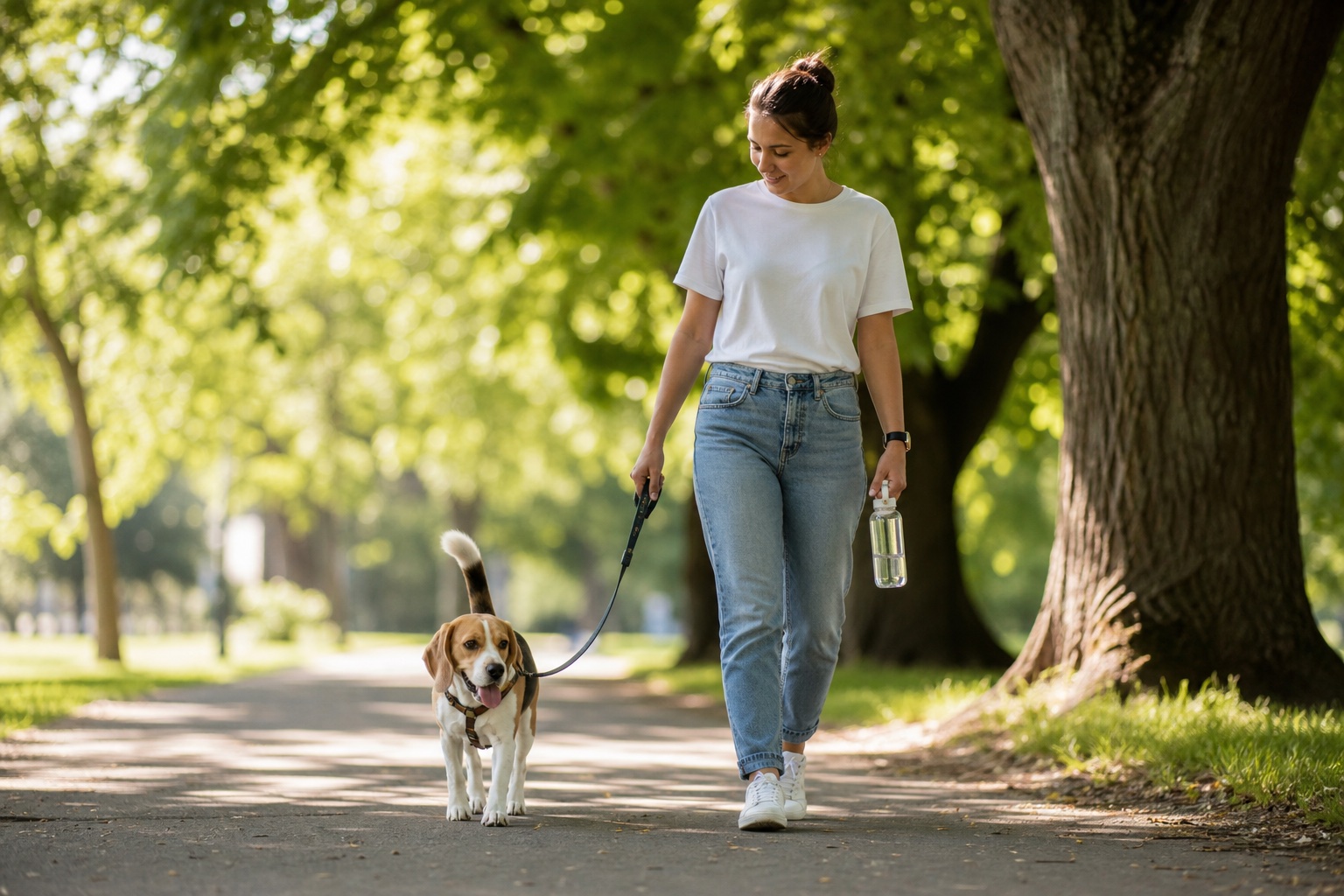
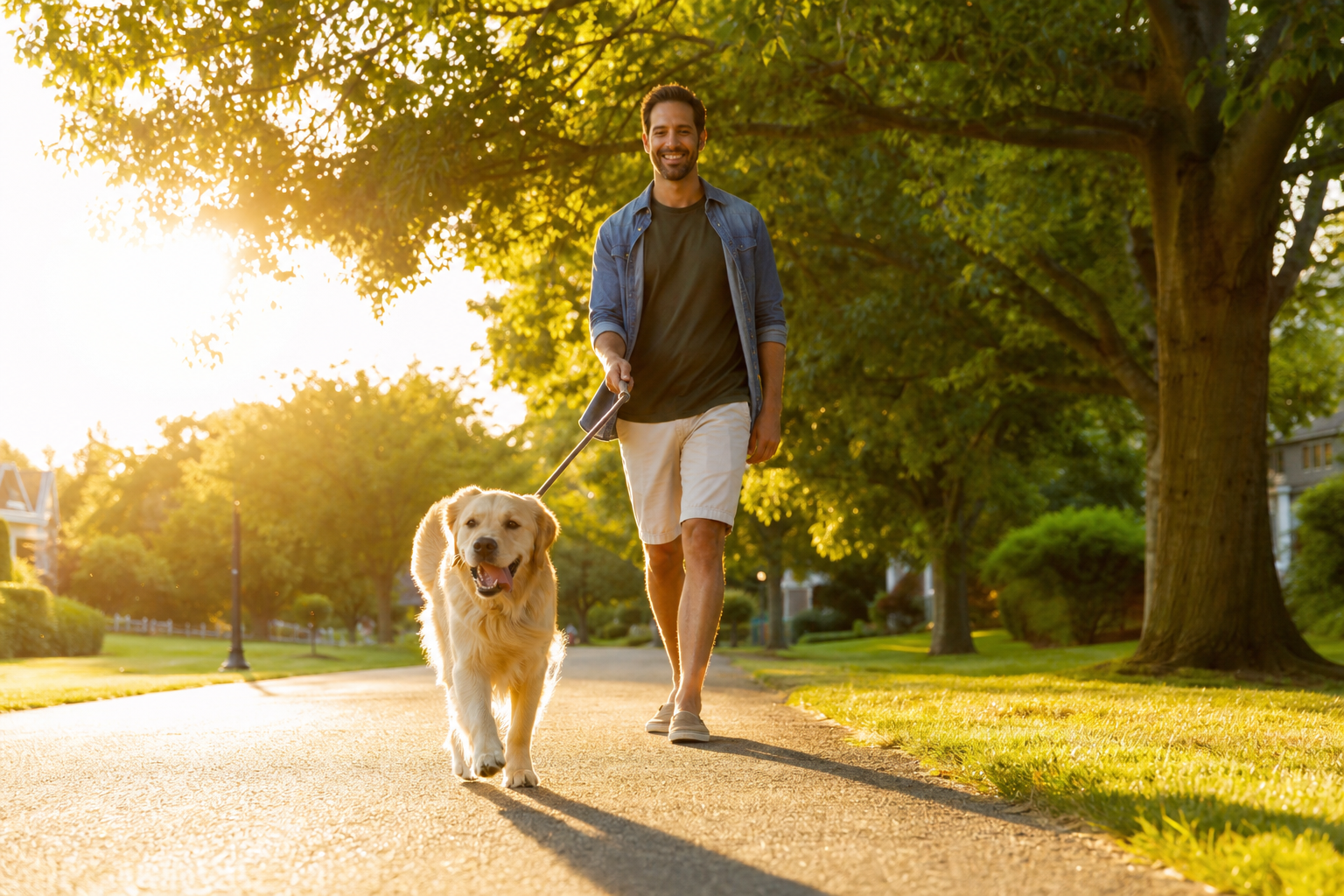
That excited spin your dog does when you just approach the door, those sparkling eyes the moment you pick up the leash. For dogs, walks are so much more than just exercise. It's a chance to experience the outside world with all their senses, and the time spent walking side-by-side with you gradually builds a stronger bond. This guide compiles practical information, from why dogs need walks and appropriate frequency/distance, to seasonal considerations, proper leash work, and pre/post-walk routines.
Why Dogs Need Walks
1. Physical Health Maintenance
Walks are the most fundamental form of aerobic exercise for dogs. Regular physical activity helps maintain muscle strength, joint health, and cardiovascular function, and is also effective in preventing obesity. A lack of exercise can easily lead to weight gain, muscle weakness, and increased strain on joints.
2. Socialization and Stimulation
The outside world is full of diverse sounds, smells, people, other dogs, and vehicles. Exposure to these helps dogs learn "this is how the world works." Socialization walks during puppyhood are especially crucial for shaping their future temperament.
3. Mental Health Benefits
Dogs perceive the world primarily through their noses. Sniffing the ground during walks provides excellent mental stimulation. Walks are known to reduce a dog's stress levels, often leading to a decrease in problem behaviors such as excessive barking, destructive chewing, and separation anxiety.
Appropriate Walk Frequency and Duration
As a general guideline, two walks per day, each lasting 15-30 minutes or more, are often recommended. However, this can vary significantly depending on your dog's breed, age, and health condition.
Guidelines by Breed Group
| Breed Group | Recommended Walk Time | Characteristics |
|---|---|---|
| Toy Breeds (Chihuahua, Pomeranian, etc.) | 20-30 minutes x 2 times/day | Tire easily due to short legs, but mental stimulation is crucial. |
| Small Breeds (Toy Poodle, Dachshund, etc.) | 30-40 minutes x 2 times/day | Many active breeds, individual differences are significant. |
| Medium Breeds (Shiba Inu, Beagle, etc.) | 30-60 minutes x 2 times/day | Higher exercise drive. Shiba Inus are particularly active. |
| Large Breeds (Labrador, Golden Retriever, etc.) | 60-90 minutes x 2 times/day | Require a lot of exercise. Insufficient exercise can lead to stress. |
| Working/Sporting Breeds (Border Collie, etc.) | 90+ minutes x 2+ times/day | Need exercise that engages both body and mind. |
For puppies (after 3-4 months of age and once vaccinations are complete), start with short walks and avoid long durations to protect their developing joints. For senior dogs, prioritize a comfortable pace that they can maintain without strain.
Seasonal Considerations
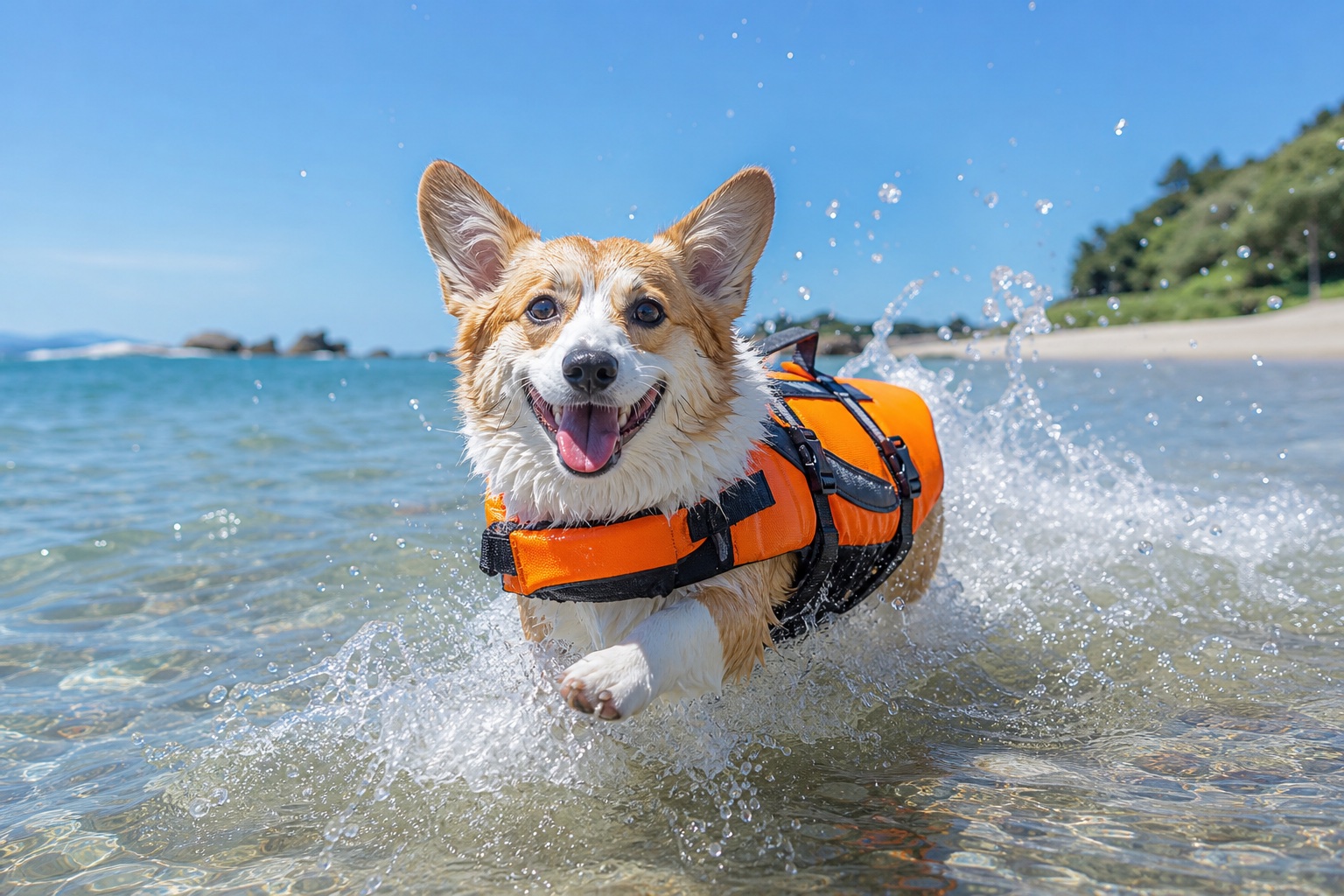
Summer (Heatstroke, Hot Pavement)
Unlike humans, dogs cannot sweat over their entire body and regulate their temperature primarily through panting. Therefore, special precautions are necessary for walks during hot weather.
- Timing: Early morning (right after sunrise) or in the evening when it's cooler.
- Pavement Temperature: On sunny days, asphalt surfaces can be significantly hotter than the air temperature, potentially reaching temperatures that can burn your dog's paw pads. A good rule of thumb: if the pavement is too hot for your bare hand to hold for 5 seconds, it's too hot for your dog's paws. Consider walking on grass or using dog boots.
- Carry Water: Bring a collapsible water bowl and fresh water. Offer frequent breaks and hydration.
- Signs of Heatstroke: If you notice excessive panting, drooling, lethargy, or vomiting, immediately move your dog to a cool place and contact your veterinarian.
Winter (Cold, Dryness, Icy Pavement)
A dog's tolerance to cold varies greatly by breed. Northern breeds like Siberian Huskies are cold-hardy, while brachycephalic breeds (e.g., French Bulldogs), toy breeds, senior dogs, and puppies tend to be more sensitive to cold.
- Apparel: Consider a dog coat or sweater for cold-sensitive breeds.
- Paw Pad Care: Dry or icy surfaces can easily damage paw pads. Applying paw balm or cream after walks is recommended.
- Icy Pavement: Dogs can slip and injure their joints. If ice is expected, change your route or use dog boots.
- Walk Timing: Choosing the warmest part of the day can reduce strain.
Proper Leash Work During Walks
Dealing with Leash Pulling
Dogs often pull on the leash because they've learned that pulling gets them where they want to go.
- Stop: If your dog pulls, stop walking. Only resume when the leash is loose.
- Change Direction: If your dog pulls, immediately change direction. This teaches them that good things happen when they pay attention to your movements.
- Consistency: It's crucial that everyone who walks the dog follows the same rules. Even one instance of allowing pulling can set back training.
Leash Length and Grip
- For standard walks, a 4-5 foot (1.2-1.5m) leash is generally ideal.
- Hold the leash firmly, but do not loop it around your wrist (so you can release it in an emergency).
- Hold it loosely enough to maintain a slight slack in the leash at all times.
Pre and Post-Walk Routine
Pre-Walk Preparation
- Collar/Harness Check: Ensure it's snug enough that two fingers can comfortably fit underneath.
- Leash Condition: Check for fraying or loose hardware.
- Water & Waste Bags: Always bring waste bags. Consider carrying water for your dog.
- Crowd/Temperature Check: Especially in summer and winter, check conditions before heading out.
Post-Walk Routine
- Paw Cleaning: Clean all four paws with a damp towel or specialized paw cleaner.
- Paw Pad Check: Inspect for cracks, cuts, or foreign objects.
- Hydration: Offer fresh water upon returning home.
- Body Check: In summer, check for ticks and fleas.
Frequently Asked Questions
Q. Do I have to walk my dog on rainy days?
A. Many dogs are fine with walks in light rain. However, if your dog gets wet, make sure to dry them thoroughly. In cases of thunderstorms or heavy rain, indoor games and activities can be a good alternative.
Q. What if I can't walk my dog for several days?
A. You can provide mental stimulation through indoor training (sit, stay, down, etc.) and puzzle toys. However, prolonged lack of exercise can lead to stress and health issues, so try to ensure opportunities for outdoor activity whenever possible.
Q. When can puppies start going for walks?
A. Generally, it's recommended to wait 1-2 weeks after their second round of vaccinations (always confirm with your veterinarian). Until then, "socialization carries" – carrying your puppy outside to expose them to sights and sounds – can be very beneficial.
Q. Should senior dogs still be walked daily?
A. It's important to continue short, comfortable walks that match their energy levels. If your senior dog resists, don't force them. Consult your veterinarian to adjust their pace and routine as needed.
Q. Should I vary my dog's walking route every time?
A. Even on the same route, the smells change daily, providing plenty of stimulation for your dog. However, varying the route a few times a week can also help develop their adaptability to new environments.
Capture and Cherish Your Dog's Wonderful Walk Moments with AI Photos
Every expression your beloved dog makes during daily walks is a treasure. Their joyful run as they feel the wind, their focused sniff of a new scent, that loving gaze up at you—PupGen can transform these wonderful moments into stunning AI art photos.
Turn your everyday walk scenes into extraordinary keepsakes. Give it a try!